SIGMAT
ECOWAS launched the regional Customs interconnection project called SIGMAT, to enhance regional integration through the automation of transit procedures in the union
ECOWAS launched the regional Customs interconnection project called SIGMAT, to enhance regional integration through the automation of transit procedures in the union
SIGMAT addresses the lack of information on transit goods by implementing an electronic system for seamless data exchange between countries, ensuring transparency in trade operations
SIGMAT slashes transit processing times from days to hours, automating procedures to expedite border clearances and minimize trade disruptions.
By streamlining processes, SIGMAT reduces trade expenses, easing the economic burden on businesses and fostering a conducive trade environment across West Africa.
ECOWAS and its member States face multiple challenges for transit
across key trade corridors in West Africa:
• Scarce information on transit goods at transit and destination points
• Long transit processing time at the border
• High trade costs.
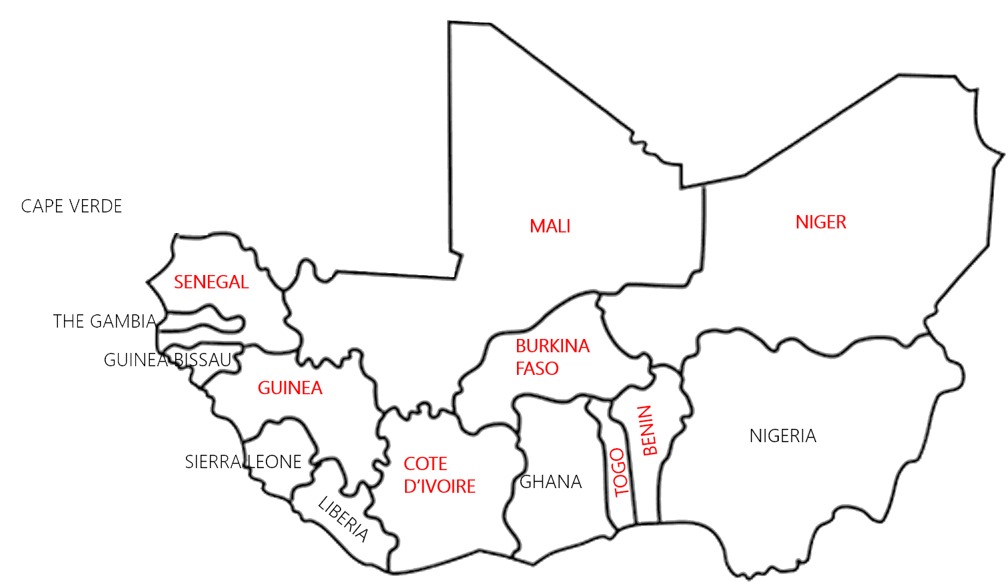
Under the SIGMAT project, the ASYCUDA Programme and ECOWAS member States, with the support of WCO and donors like the World Bank, developed a regional transit module to exchange transit information among the Customs clearance systems. The solution was implemented in 2019 in 3 main corridors: Abidjan-Ouagadougou, Lomé-Ouagadougou and Cotonou-Niamey. As of the fourth quarter of 2020, the solution has been tested in Mali and Senegal, the latter not using ASYCUDA World as a Customs clearance system. Twelve member States out of 15 use ASYCUDA system as a Customs clearance IT system.
AEO Authorized Economic Operator
CBM Coordinated Border Management
CIM Uniform Rules Concerning the Contract of International Carriage of Goods by Rail (CIM - Appendix B to the COTIF)
CMAA Agreement on Mutual Administrative Assistance in Customs Matters
COTIF Convention concerning International Carriage by Rail
CPMM Corridor Performance Measurement and Monitoring
GATT General Agreement on Tariffs and Trade
IADB Inter-American Development Bank
ICT Information and Communication Technology
IRU International Road Transport Union
JICA Japan International Cooperation Agency
LLDCs Landlocked Developing Countries
OECD Organization for Economic Cooperation and Development OGAs Other Government Agencies
OSBP One stop border post
OSJD Organization for Co-operation between Railways
OTIF Intergovernmental Organisation for International Carriage by Rail RKC Revised Kyoto Convention
SMEs Small and Medium-sized Enterprises
SMGS Agreement on International Goods Transport by Rail (SMGS is the Russian acronym)
TFA Trade Facilitation Agreement
TFIs Trade Facilitation Indicators
TRS Time Release Study
UNECE United Nations Economic Commission for Europe
UN-OHRLLS United Nation Office of the High Representative for the Least Developed Countries, Landlocked Developing Countries and Small Island Developing States
VPoA Vienna Programme of Action
WCO World Customs Organization
WTO World Trade Organization
Click to download document

Click to download document
Click to download document
Click to download document
Click to download document
Member States
Average T1 Per month
Personnel Trained
Customs Offices
SIGMAT significantly reduces processing time at borders, ensuring swift and efficient transit procedures for seamless trade
SIGMAT spearheads trade facilitation by implementing seamless processes and systems, fostering smoother and more efficient cross-border trade within the ECOWAS region
IGMAT's streamlined procedures lead to increased revenue generation, empowering economic growth and stability within the ECOWAS region.
SIGMAT fosters increased cooperation among member states, creating a unified platform for seamless trade and collaborative efforts within the ECOWAS region
SIGMAT's automated targeting of transiting goods ensures efficient and targeted inspections, enhancing border security and trade integrity across ECOWAS member states.
Enhanced transparency in transit procedures ensures trust and confidence among stakeholders, fostering a conducive environment for sustainable economic growth within the ECOWAS region
Automation of the customs clearance procedure
Facilitation of the transport of goods
Improve intra-community trade
Generate statistics to manage risk
Improve operational efficiency
Promote customs to customs cooperation
Magnam dolores commodi suscipit. Necessitatibus eius consequatur ex aliquid fuga eum quidem. Sit sint consectetur velit. Quisquam quos quisquam cupiditate. Et nemo qui impedit suscipit alias ea. Quia fugiat sit in iste officiis commodi quidem hic quas.
The ECOWAS SIGMAT project is a regional initiative designed to foster economic integration, enhance governance, and promote sustainable development among the member states of the Economic Community of West African States (ECOWAS) through transit.
The project originated from the need to address common challenges faced by ECOWAS member states, such as trade barriers, infrastructural deficits, and governance issues. It was developed as a collaborative effort to harness the collective potential of the region for greater economic progress and stability.
The main objectives include improving regional integration, enhancing trade facilitation, strengthening institutional governance, promoting sustainable development, and fostering peace and stability in the West African region.
All ECOWAS member states (West African Countries), including Nigeria,
are involved. These countries collaborate on various initiatives under the project,
addressing regional issues and leveraging collective resources and strengths.

Nigeria, as a key member of ECOWAS, plays a significant role in the project, contributing to policy formulation, participating in regional initiatives, and benefiting from the developmental programs aimed at trade facilitation, infrastructural development, and governance enhancement.